Residential Drain Cleaning Tacoma: Common Drain Problems and Smart Solutions
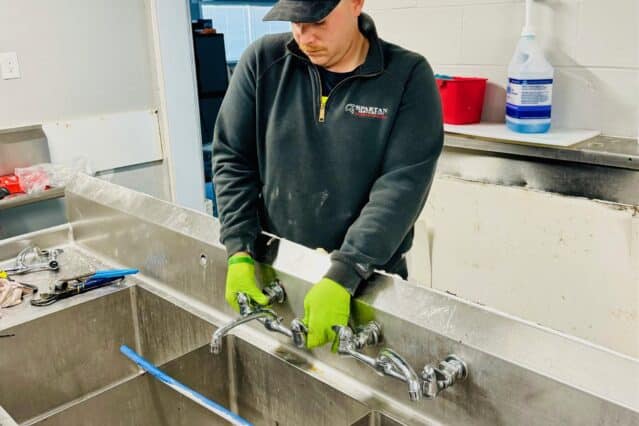
A slow kitchen sink rarely stays a kitchen sink problem for long. In most Tacoma homes, drain issues start small, almost easy to ignore. Water takes a little longer to leave the tub. The bathroom sink gurgles after someone brushes their teeth. A floor drain in the basement gives off a musty odor after heavy rain. Then one day the dishwasher backs up into the sink, or the shower pan fills around your ankles, and what felt minor becomes urgent.
That pattern is common in residential plumbing. Drains usually fail by degrees, not all at once. In a city like Tacoma, where many neighborhoods include a mix of older homes, mature trees, steady rainfall, and cool damp weather for much of the year, drain systems deal with a specific set of pressures. Grease, soap residue, hair, wipes, scale, root intrusion, and shifting pipes all play a role. The trick is understanding which problem you are actually seeing, because the best fix for one clog can be the wrong move for another.
Homeowners searching for Residential Drain Cleaning Tacoma services often think first about getting the water moving again. That matters, of course, but the better goal is figuring out why the stoppage happened and how to keep it from repeating in a month.
Why Tacoma homes see recurring drain trouble
Tacoma’s housing stock tells part of the story. Many homes were built decades ago, and older drain lines often include materials that age differently than modern PVC. Cast iron can corrode internally. Older clay sewer lines can crack or separate at the joints. In some properties, past repairs created odd transitions from one pipe type to another, and those changes can catch debris over time.
Local weather adds another layer. Long wet seasons can saturate soil and reveal weaknesses in underground lines. Heavy root growth is also a familiar issue in established neighborhoods with large trees. Roots do not need a gaping hole to get into a sewer line. A tiny joint gap or hairline crack can be enough. Once roots find moisture and nutrients, they expand, trap paper and waste, and slowly reduce flow.
Inside the home, the causes are less dramatic but just as reliable. Kitchen drains collect grease that looks harmless when warm but solidifies farther down the line. spartanplumbinginc.com Residential Drain Cleaning Tacoma Bathroom drains gather hair and soap scum into rope-like clogs that cling to pipe walls. Laundry drains can load up with lint and detergent residue. Even homes with careful owners eventually build up some restriction. Good habits slow that process, but they do not stop physics.
The difference between a nuisance clog and a system problem
One clogged sink is usually a local problem. Several fixtures acting up at once often point to something larger. That distinction matters because it changes both the urgency and the repair method.
If the upstairs tub drains slowly but every other fixture works normally, the issue is probably confined to that branch line. Hair, soap, and buildup are the usual suspects. If flushing a toilet causes bubbling in a shower, or if water backs up in the lowest drain when a washing machine empties, there may be a blockage farther down the main drain or sewer line. That is when quick store-bought fixes tend to disappoint.
There is also a difference between a full stoppage and a restricted line. A complete blockage often gets attention right away because water has nowhere to go. A restricted line is sneakier. It still drains, just poorly. That slower movement lets debris settle more easily, which compounds the issue. Many expensive backups begin as restrictions that went unaddressed for too long.
One of the more telling signs is timing. If a sink has been slow for months, you are likely dealing with accumulation inside the pipe. If the problem appears suddenly after a rainstorm, a sewer backup, or a cold snap, the cause may be farther downstream, including root intrusion or an exterior line defect.
Kitchen drains, where everyday habits become plumbing calls
Kitchen clogs are among the most common service calls because the drain handles so many different materials. People are often careful about obvious offenders like bones or coffee grounds, yet the real long-term problem is often grease. Bacon fat is the classic example, but cooking oil, butter, sauces, salad dressing, and pan drippings all contribute. Even when rinsed with hot water, grease cools as it moves into the pipe and leaves a film that thickens over time.
Food particles accelerate the process. Rice, pasta, fibrous vegetables, eggshell fragments, and small scraps can cling to sticky pipe walls. Garbage disposals do not prevent this. They only grind waste into smaller pieces, which can still settle inside a partially coated line. In homes with older kitchen plumbing or minimal slope in the branch line, buildup happens faster.
A typical pattern looks like this: the sink starts draining slowly after dinner cleanup, then seems fine by morning. A few weeks later, the dishwasher runs and leaves standing water in the basin. Eventually the line stops almost completely. Clearing that clog without addressing the grease layer often brings only short-lived relief.
Professional drain cleaning is useful here because the goal is not merely punching a hole through the blockage. It is removing enough residue from the pipe walls to restore proper flow. In some kitchens, a cable machine is enough. In others, especially where grease has lined the pipe heavily, hydro jetting may be the better choice if the pipe condition supports it.
Bathroom drains, small openings and stubborn buildup
Bathroom drains catch what people shed and wash away every day. Hair is the obvious one, especially in showers and tubs, but soap residue is just as important. Over time, soap combines with minerals in the water and forms a sticky coating that traps hair and debris. Toothpaste, shaving cream, skin oils, and products like dry shampoo or heavy conditioners can make the problem worse.
The shape of the piping under many sinks also encourages accumulation. Pop-up stoppers in bathroom sinks are notorious for collecting hair and paste-like sludge near the top of the drain, where flow is already constrained. Homeowners sometimes assume the clog is deep in the line when the worst of it is only a few inches below the stopper.
Tub and shower drains are trickier. Hair can snag around the drain crossbars or collect in the trap below. Plastic barbed drain tools sometimes work for these local clogs, but they are less effective when the blockage sits farther down the branch line. Chemical drain cleaners deserve caution here. They may dissolve part of an organic clog, but they can also leave caustic liquid standing in the fixture, create safety hazards for whoever works on the drain next, and fail entirely against dense masses of hair and soap.
I have seen plenty of bathroom drains that “came back” after a homeowner used liquid cleaner, only to clog again days later because the chemical bored a narrow channel through the buildup rather than removing it. That kind of temporary victory is common.
Main sewer line problems, the ones homeowners should not wait on
When the main sewer line is restricted, the whole house can be affected. The signs are usually more dramatic and more unpleasant. Lower-level fixtures back up first because wastewater seeks the lowest available opening. A basement shower, floor drain, or ground-floor tub may fill when an upstairs toilet flushes. Toilets may gurgle or rise unusually high before draining. In the worst cases, sewage comes back into the home.
This is where speed matters. A branch drain clog is inconvenient. A sewer backup can damage floors, drywall, insulation, stored belongings, and indoor air quality. Cleanup costs can eclipse the actual plumbing repair if the issue is allowed to progress.
Tree roots are a frequent cause in Tacoma neighborhoods with mature landscaping. They can create a pattern of recurring backups every six to twelve months if the line is simply snaked each time without a closer look. Snaking may reopen a passage through the roots, but it does not necessarily solve the underlying entry point or remove the full root mass. A sewer camera inspection can reveal whether the line is otherwise sound, badly offset, cracked, or near collapse.
That camera work often prevents bad decisions. If a pipe is structurally compromised, aggressive cleaning alone may not be the wise answer. On the other hand, if the pipe is intact and roots are limited to a few joints, cleaning plus ongoing maintenance may buy years of reliable service.
What professional drain cleaning actually involves
Many homeowners picture one tool and one outcome, but drain cleaning is really a set of methods matched to pipe size, material, access, and the nature of the obstruction. The smartest plumbers diagnose before they prescribe.
A handheld auger or small cable machine is often used for local sink, tub, or shower clogs. These tools are effective at breaking through hair and retrieving near-fixture obstructions. Larger drum machines or sectional cable machines are used for longer branch lines and main drains. They can cut through roots, grease, and dense blockages, though results depend on the cutting head chosen and the condition of the line.
Hydro jetting uses high-pressure water to scour pipe walls. When appropriate, it is one of the best ways to remove grease, sludge, and smaller root intrusions because it cleans more thoroughly than a cable alone. But hydro jetting is not universal. Fragile, broken, or severely corroded piping may not be a good candidate until its condition is confirmed.
Camera inspection is the overlooked hero of good drain service. It shows whether the problem is buildup, roots, sagging pipe, offset joints, scale, or a foreign object. Without that information, homeowners sometimes spend money clearing symptoms while the cause remains untouched.
The best Residential Drain Cleaning Tacoma providers tend to explain these distinctions clearly. They do not assume every clog needs the most expensive option, and they do not pretend every line can be fixed with a quick pass of a snake.
Warning signs that deserve attention sooner rather than later
A lot of drain emergencies send up quiet signals first. When homeowners catch them early, the repair is usually cleaner, cheaper, and less disruptive.
- Repeated slow draining in the same fixture, even after basic cleaning
- Gurgling sounds after water use, especially from toilets or nearby drains
- Odors coming from drains that return soon after rinsing or cleaning
- Water backing up in one fixture when another fixture runs
- Frequent need for plunging or temporary fixes
None of these signs automatically means major sewer line failure, but each suggests that normal flow has been compromised. The recurring part matters. A single slow drain after a busy holiday weekend is one thing. The same issue appearing every few weeks is a pattern, and patterns in plumbing usually mean buildup or damage is progressing.
Smart solutions homeowners can use without making things worse
Some maintenance really does help. The key is staying in the lane of prevention and simple observation, not trying to force a permanent fix with harsh products or improvised tools.
A sink stopper cleaned regularly can spare a bathroom line from chronic hair buildup. A drain screen in a shower catches more than most people expect. Grease belongs in a disposable container, not washed into the kitchen line. Flushing only toilet paper and waste is still the safest rule, despite how many products are marketed as flushable. Running hot water after ordinary sink use is fine, but it is not a cure for grease-heavy cleanup.
If a drain is sluggish, a careful plunge or manual hair removal near the opening is often reasonable. Beyond that, judgment matters. Repeated use of chemical drain cleaners tends to create more problems than it solves, especially in older plumbing systems. It can also complicate a technician’s work and create a burn hazard during service.
For practical prevention, a homeowner can do a lot with a few steady habits:
- Use sink and shower strainers where they fit properly
- Dispose of cooking grease in the trash after it cools
- Flush drains periodically with hot water, but not as a substitute for real cleaning
- Watch for changes after storms, heavy laundry days, or large gatherings
- Schedule inspection if backups recur more than once
Those habits will not stop roots from entering a cracked sewer line or repair a belly in an underground pipe, but they can reduce the everyday buildup that shortens the time between service calls.
When a simple cleaning is not enough
One of the hardest conversations in drain work is explaining that a line can be open today and still need repair tomorrow. Homeowners naturally want the least invasive option, and many times that is the right call. But some recurring drain issues are symptoms of structural defects.
A sewer line with a belly, which is a low section where waste and water settle, may clog repeatedly even after thorough cleaning. A line with separated joints may invite roots back no matter how many times it is cut. Cast iron with heavy internal scaling can lose so much inside diameter that clogs become routine. In those cases, annual or semiannual cleaning may keep things functional for a while, but it is management, not resolution.
That does not always mean a full replacement is necessary. Spot repairs, trenchless methods, or partial line replacement may be enough depending on the defect and its location. Good advice comes from matching the remedy to the actual condition, not jumping from first backup to worst-case scenario.
I have seen homeowners spend money on three or four basic cleanings over two years when one early camera inspection would have shown a cracked exterior line. I have also seen the opposite, where someone was told they needed major sewer work when the real issue was a grease-packed branch drain serving the kitchen. Diagnosis is what separates smart spending from expensive guessing.
How Tacoma homeowners should think about cost
Drain cleaning prices vary widely because the work itself varies. A simple bathroom sink stoppage is not the same as a root-blocked main line that needs cable work, camera inspection, and cleanup precautions. Time, equipment, access, pipe length, and whether the problem is local or systemic all influence the final bill.
It is tempting to shop by lowest advertised price, but drain service is one of those trades where the cheapest visit can become the most expensive path if it only delivers temporary relief. A bargain snaking that restores flow for three days is not really cheaper than a properly diagnosed service call that lasts.
Homeowners should listen for how a company talks about the problem. Do they ask which fixtures are affected? Do they want to know whether backups happen after laundry, showers, or rain? Do they explain whether they are clearing a fixture drain, a branch line, or the main sewer? Those details usually tell you more than the coupon price.
Choosing the right help without overbuying
A competent drain professional should be comfortable saying, “This is all you need right now,” just as much as, “This needs more than a basic cleaning.” That balance is a sign of experience. Not every slow drain needs hydro jetting. Not every sewer backup needs excavation. But not every clog should be treated as routine either.
If you are hiring for Residential Drain Cleaning Tacoma, it helps to describe the symptoms precisely. Mention whether more than one fixture is involved, whether the problem appeared suddenly or gradually, whether there are odors, and whether rain seems to make things worse. Those details help narrow the likely cause before the technician even arrives.
Access also matters. A cleanout outside the home or in a basement can make service more efficient and sometimes less costly. If there is no accessible cleanout, the technician may need to work through a roof vent or remove a toilet to reach the line, which changes labor and risk.
The value of maintenance in older homes
For newer homes with good habits and no warning signs, drain cleaning is often reactive. You call when there is a problem. For older Tacoma homes, especially those with a history of root intrusion or grease buildup, preventive maintenance can make more sense.
That does not mean putting every drain on a calendar automatically. It means recognizing patterns. If your main line has needed root cutting every year around the same season, planning service before the line closes completely is often cheaper and less disruptive than waiting for a backup. If the kitchen line slows every holiday season when cooking volume jumps, a proactive cleaning in advance may prevent a mid-gathering mess.
Maintenance is most valuable when it is tied to a known issue, not sold as a generic subscription. A good technician will usually tell you what they found, how quickly it is likely to return, and what warning signs should trigger the next call.
A final practical view of drain problems
Drain systems are easy to take for granted because they work silently until they do not. Yet they are one of the few parts of a home that process waste every single day under constant use. When something changes, speed, sound, smell, or behavior, it is worth paying attention.
Most residential drain issues in Tacoma come down to a few familiar categories: buildup inside the home, roots or defects outside the home, or a mix of both. The smart solution depends on knowing which one you have. Sometimes that means a simple cleaning and a better strainer. Sometimes it means a camera in the line and a more serious plan.
The important part is resisting the urge to treat every clog as either trivial or catastrophic. Many are manageable when addressed early. Most become costlier when ignored. For homeowners dealing with repeat slow drains, intermittent backups, or signs that more than one fixture is involved, professional evaluation is usually the fastest path to a clean answer and a lasting fix.
Spartan Plumbing Services
Address: 760 107th St S, Tacoma, WA 98444
Phone number: +12534998773
FAQ About Residential Drain Cleaning Tacoma
How much does it cost to have someone clean your drains?
Professional drain cleaning costs between $147 and $352 on average, with most homeowners paying around $246. The final price is heavily determined by the type of drain affected, the clearing method needed, and your geographic location.
How much does it cost to clean a drain line?
Professional drain cleaning costs between $147 and $352 on average, with most standard residential jobs landing right around $246. However, your final bill can scale from $100 to over $800 depending entirely on which drain is clogged and the method required to clear it.
Is professional drain cleaning worth it?
Yes, professional drain cleaning is worth it because it clears deep buildup and prevents expensive plumbing emergencies.